
5 Reasons to Study Pali
Aug 26, 2026
Yogic Studies is proud to offer continued access to many of the great classical languages and traditions of Asia that have produced some of the most profound human wisdom in the world. Pāli is one of those ancient languages, and was the liturgical medium used to preserve many of the oldest Buddhist scriptures.
Here are our top 5 reasons why you should study Pāli today:
- The Buddha’s teachings were transmitted orally for centuries and believed to be written down and canonized in the Pāli language in the 1st century BCE.
- This resulted in the Tipiṭaka, or the “Three Baskets”—comprised of the Vinaya (monastic rules), Sutta (teachings/discourses of the Buddha), and Abhidhamma (philosophical and scholastic analysis).

- Studying Pāli language means studying Pāli texts, containing some of the first recorded teachings of the Buddha and the early Buddhist community.
- Gain unmediated access to the dhamma, without relying solely on translation.
- Grasp key terms—e.g. dukkha (suffering), anattā (impermanence), paṭicca-samuppāda (dependent origination, and nibbāna (liberation).
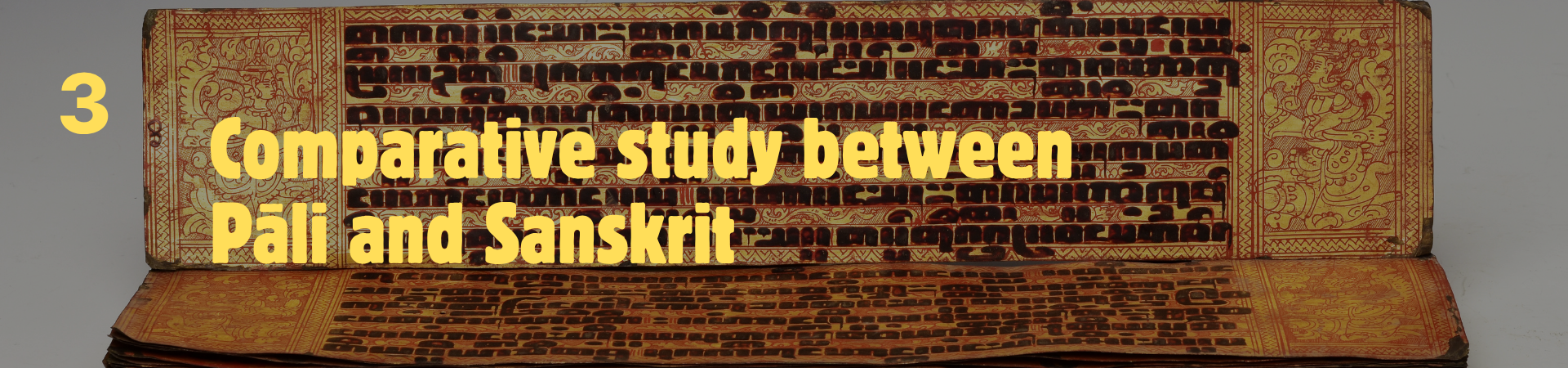
- Pāli is a Middle Indo-Aryan language that serves as the canonical medium of the Theravāda Buddhist tradition.
- It is closely related to Sanskrit, being a north-Indian Prakrit language.
- The ability to read early Indian Buddhist sources in both Sanskrit and Pāli is an essential skill for scholars and translators of early Buddhism.
- Studying one language, makes the other one much easier!
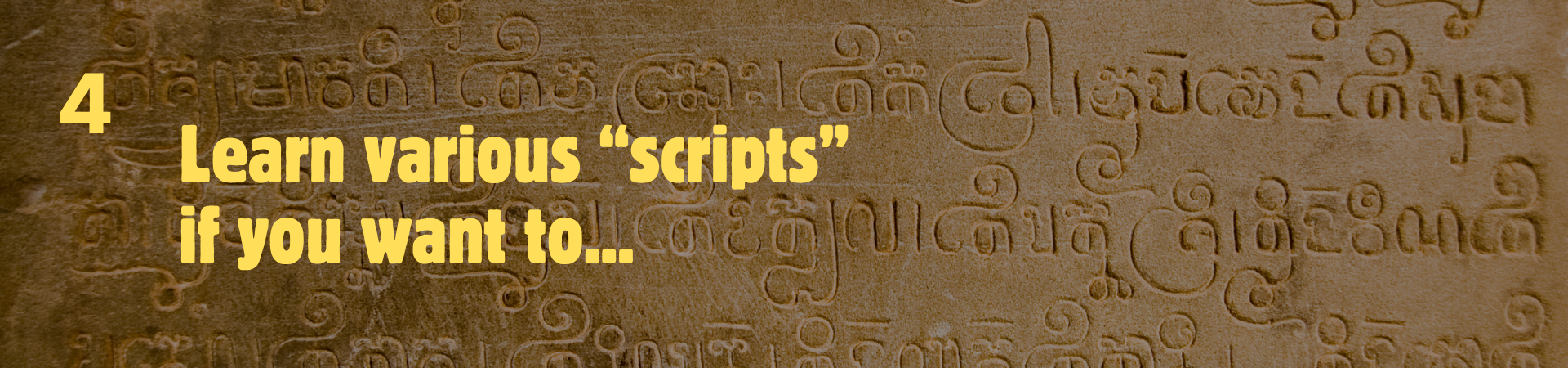
- There is no single “script” or alphabet for Pāli, as it was written down in many different scripts by various regional communities, including—Brahmi, Sinhala, Burmese, Khmer, Thai, and Devanāgarī.
- Today it is commonly written and taught in Roman script, which makes studying it much easier.
- You therefore don’t need to worry about learning a new alphabet to study Pāli, unless you want to!

- The study of Pāli allows you to better understand and engage with living Theravāda traditions who continue to utilize the language in their liturgy, chanting, and ceremonies.
- For these communities, Pāli remains a language of learning and devotion—especially in countries like Sri Lanka, Myanmar, Thailand, Laos, and Cambodia.
- PALI 101 | Elementary Pali I, our beginner class taught by renowned teacher, Dr. Aleix Ruiz-Falqués, begins the week of September 14, 2026. Attend live on Zoom, or watch the recordings and study at your own pace.
We only open our 101 courses once a year, so don’t miss out!