
YS 137 | The Dawn of Physical Yoga: New Discoveries in Tibetan Haṭhayoga
Instructor: Dr. Giacomella Orofino
Available for self-study
Course Description
This course explores the early history of physical yoga through a close study of Tibetan Buddhist tantric sources related to the Amṛtasiddhi. Based on Dr. Orofino's recent research, we will focus on a corpus of Tibetan texts preserved in the canonical Tengyur, with particular attention to the Amṛtasaṁkaṭanibarhaṇa (Dispelling the Obstacles to the Practice of the Amṛtasiddhi).
This remarkable text can be identified as the earliest known manual of physical yoga and offers a unique window onto the formative phase of haṭhayoga in both India and Tibet.
Central to this study is the elusive yet pivotal figure of Amoghavajra (Don yon Rdo rje), an Indian yogin active in Tibet during the second half of the eleventh century. Known also as Vajrāsana the Younger, Amoghavajra represents a unique case in the history of transmission: he was not only a prolific translator, but also an author who composed commentarial texts directly in the Tibetan language.
Combining textual study and historical analysis, the course traces the emergence of haṭhayoga as an auxiliary method of ṣaḍaṅgayoga within Buddhist tantra. Students will explore early descriptions of haṭhayoga in the Guhyasamājatantra and the Kālacakratantra tradition, including Nāropa’s Sekoddeśaṭīkā, and examine their close relationship with the Six Yogas of Nāropa, such as gtum mo (inner heat) and ’pho ba (transference of consciousness).
Finally, special attention is given to the analysis of the thirty-six obstacles to the practice of the Amṛtasiddhi, from which emerges a distinct Vajrayāna philosophical framework. This conceptual foundation is then paired with a systematic description of the thirty-six dynamic sequences of 'khrul 'khor (yantra). These postural and movement-based techniques are analyzed in relation to the āsanas of later Indian haṭhayoga literature, highlighting the text's pivotal role in the development of physical yoga.
By combining close philological study with historical analysis, this course offers a rare opportunity to examine one of the earliest textual traditions of dynamic physical yoga in both India and Tibet.
Textbook
In addition to other supplemental materials, this course will draw primarily on new research from Dr. Orofino's recently published book, The Dawn of Physical Yoga: Dispelling the Hindrances to Immortality (Unior Press 2026), which is now available for open access. All students will receive a free PDF of the book available inside the course.

Course Modules
Module 1 — Haṭhayoga in Vajrayāna
Module 2 — The Amṛtasiddhi Exegetical Cycle: The Authors and Their Context
Module 3 — Buddhist Tantric Elements of the Amṛtasiddhi
Module 4 — Vajrayāna Conceptual Framework and Physical Yoga Practices
Course Preview

Students Will Receive:
- 4 Pre-recorded lectures (90 min each)
- 4 Pre-recorded Q&A sessions on Zoom (90 min each)
- Recommended PDF readings
- 4 Multiple Choice quizzes
- Yogic Studies Certificate (PDF)
- Access to the private Community Forum
- 4 ACP Credits
- 12 Hours of CE credit with YA
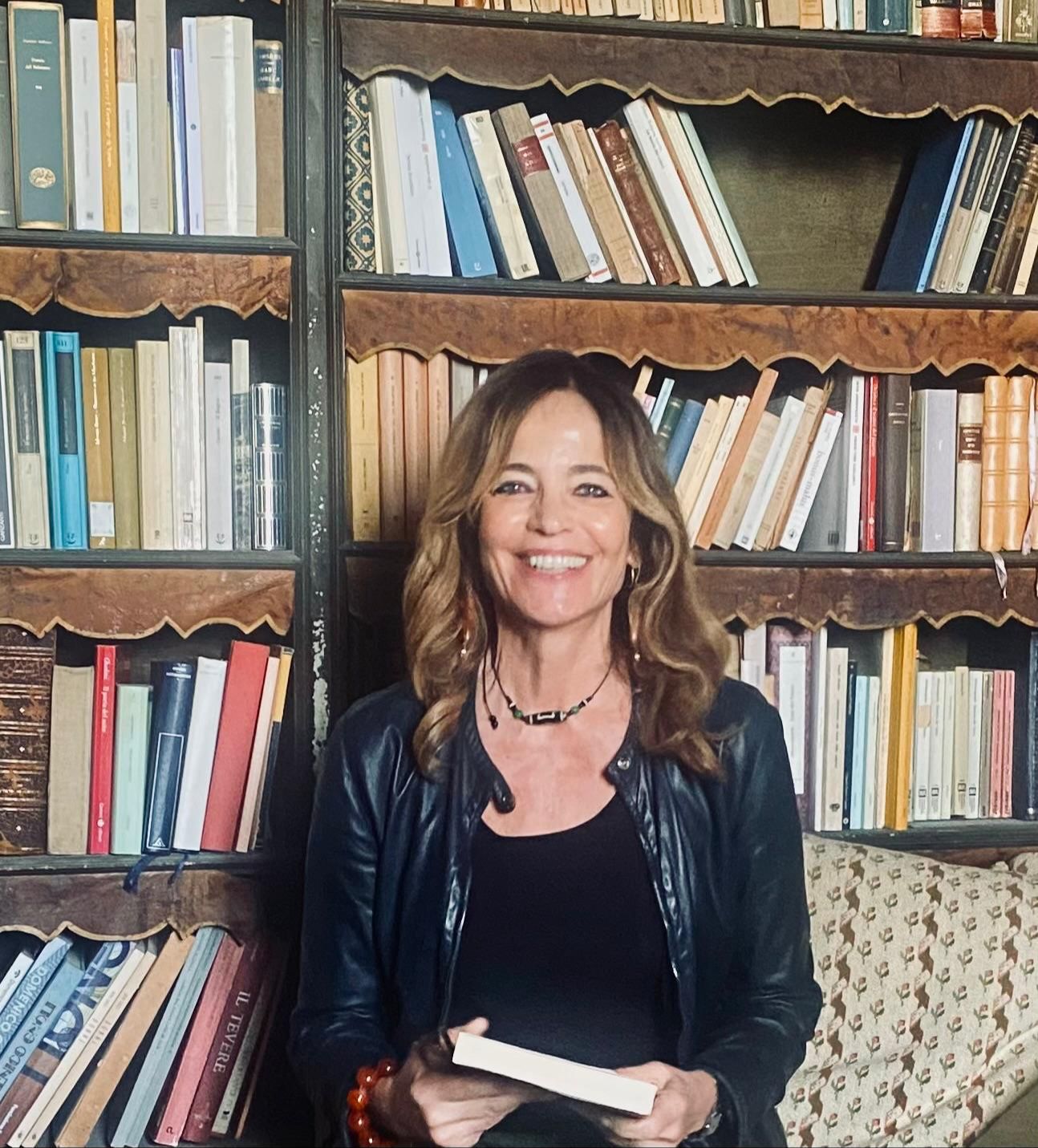
Dr. Giacomella Orofino
Professor of Tibetan Language and Civilization at the University of Naples "L'Orientale" and the Director of the University's Centre for Buddhist Studies
Dr. Giacomella Orofino is a Full Professor at the University of Naples "L’Orientale", where she holds the Chair of Tibetan Language and Literature and the History and Cultures of Tibet and Himalayan Countries. Her research focuses on the history of Indo-Tibetan religious traditions, employing philology, textual criticism, and the history of religions as her primary methodological frameworks. A leading figure in the promotion of Tibetan studies in Italy, she is the co-founder and current President of AISTHiM (the Italian Association of Tibetan, Himalayan, and Mongolian Studies) and the founder and Director of the Center for Buddhist Studies at the University of Naples "L’Orientale".
Her scholarly work is primarily dedicated to the study of the Kālacakratantra, the Chöd tradition, Dzogchen, and the Bön religion, with a recent focus on the origins of physical yoga. Her latest monograph, The Dawn of Physical Yoga: Dispelling the Hindrances to Immortality (UniorPress, 2025), explores the early historical development of physical yoga through the study and translation of primary textual sources.
Enrollment is OPEN for self-study
This course is eligible for 12 hours of Continued Education (CE) credits with Yoga Alliance
Stay Informed
Sign up for the Yogic Studies mailing list to find out first about upcoming courses, podcast episodes, promotions, events, and the latest research delivered straight to your inbox.