
YS 219 | The Ṣaṭcakranirūpaṇa: Description of the Six Cakras
Instructor: Dr. Lubomír Ondračka
Dates: June 16 – July 16, 2026 (5 weeks)
Meetings: Tue/Thur 10–11:30 am PT
Course Description
The Ṣaṭcakranirūpaṇa—"Description of the Six Cakras"—is one of the most consequential Sanskrit texts in the history of yoga, and the single most important source for the chakra system as it has come to be understood in the modern world. Written in sixteenth-century East Bengal by the tantric scholar Pūrṇānanda Giri, this compact work of 56 verses offers a meticulous account of the six energy centers (cakras) of the subtle body, the central channel, and the dormant spiritual energy known as kuṇḍalinī—together forming the doctrinal core of what the tradition calls laya yoga, the yoga of dissolution into the absolute.
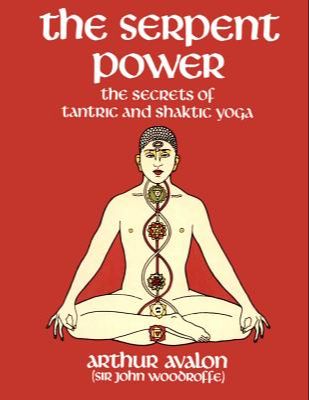
Originally composed as a single chapter of Pūrṇānanda's larger tantric treatise Śrītattvacintāmaṇi, the work proved so compelling that it quickly began circulating on its own throughout India, generating dozens of manuscript copies and numerous traditional commentaries. Its global reach, however, owes most to its publication in the early twentieth century and, above all, to Arthur Avalon's (Sir John Woodroffe's) landmark English translation in The Serpent Power (1918). That volume introduced the Ṣaṭcakranirūpaṇa to Western readers and became the primary channel through which yoga's subtle-body doctrines—cakras, kuṇḍalinī, the network of energy channels known as nāḍīs—entered theosophical, New Age, and contemporary popular discourse. Most modern ideas about chakras, in other words, trace back to this one sixteenth-century text.
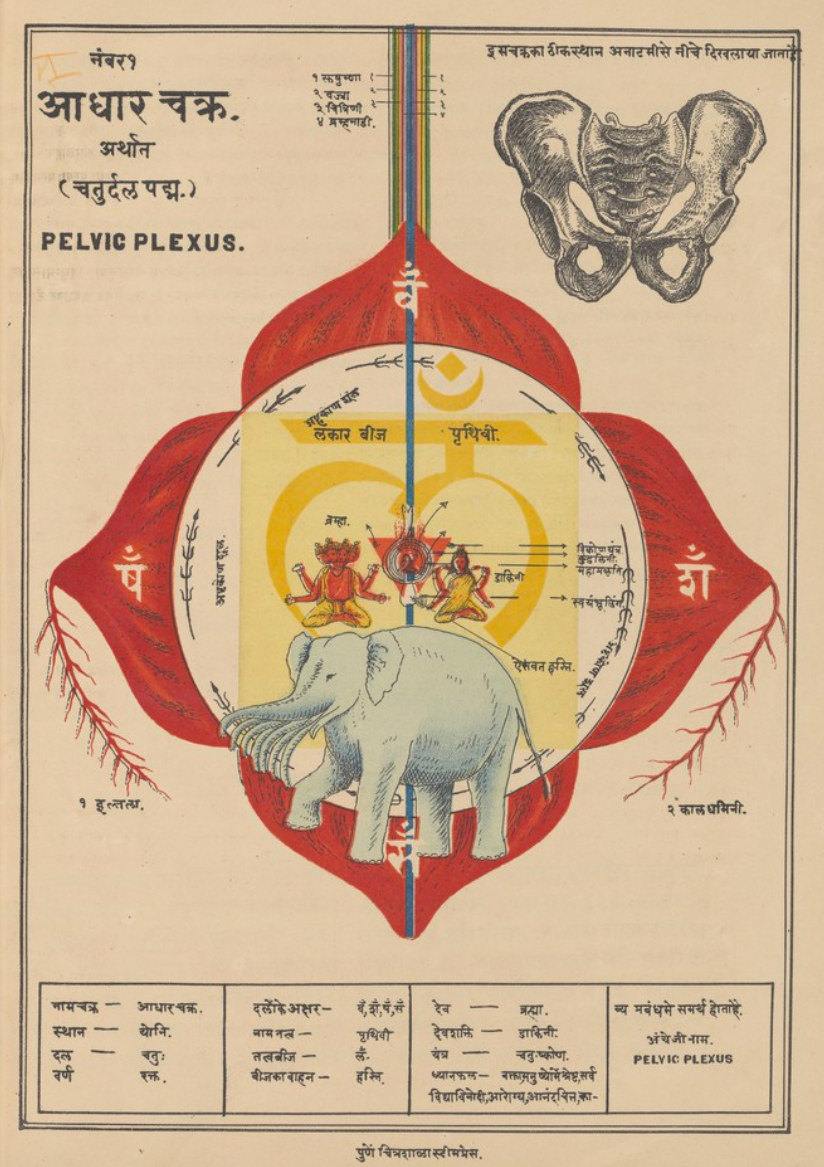
This course offers students the rare opportunity to engage with that text directly—in the original Sanskrit, guided by a scholar whose research is at the forefront of haṭhayoga and tantric studies. We begin with an introductory session covering Pūrṇānanda's life and intellectual context, the doctrinal sources behind his conception of the cakras and kuṇḍalinī, and an orientation to the relevant scholarly literature. Over nine subsequent lessons, we read through the Ṣaṭcakranirūpaṇa verse by verse, working toward a complete translation. Where the text is clear, we move efficiently; where it is challenging, we draw on three traditional commentaries and consult Avalon's foundational English translation. Students will come away with a historically grounded, direct encounter with this pivotal text—one that cuts through centuries of interpretation to engage with the doctrine on its own terms.
Note: Knowledge of Sanskrit is helpful but not required for participation in the course. Dr. Ondračka will be providing an English translation of the text for a non-specialist audience.
Course Preview

Course Structure:
- Each week consists of two live class sessions (90-min each), recommended readings (pdfs), and a quiz
- Live class sessions (90 min)
- Tuesdays and Thursdays @ 10–11:30am Pacific Time
- All live sessions will take place via Zoom and will be recorded for later viewing.
Students Will Receive:
- 10 Live class sessions (90 min each)
- Recommended PDF readings
- 5 Multiple Choice quizzes
- Yogic Studies Certificate (PDF)
- Access to the private Community Forum
- 5 ACP Credits
- 15 Hours of CE credit with YA
Dr. Lubomír Ondračka
Asoke Kumar Sarkar Early Career Fellow in Classical Indology, University of Oxford
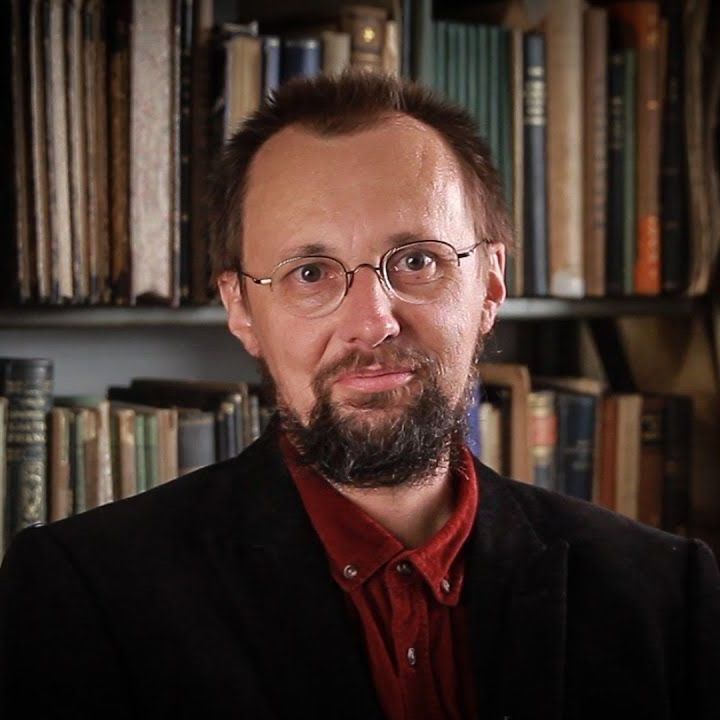
Lubomír Ondračka is a publisher, independent researcher and lecturer, currently holding a fellowship in Indology at Balliol College, University of Oxford. He studied mathematical modelling, nuclear physics, religious studies and Indology. Although basically trained as a philologist (using material in Sanskrit and both medieval and modern Bengali and Hindi), his research is enriched by an anthropological perspective based on his long stays in India (a total of seven years between 1996–2019). His research interests include the history of yoga (especially haṭhayoga), tantric traditions, death and dying rituals in Indian religions, and the culture and religion of Bengal.
His recent publications related to yoga include three entries in the edited volume Yoga Studies in Five Minutes, an encyclopedic survey of haṭhayoga, an analysis of a Middle Bengali text on tantric yoga entitled “The Garland of Bones”, a comprehensive annotated bibliography of haṭhayoga for the Oxford Bibliographies project, and a forthcoming overview of medieval yoga Hindu literature written for the Oxford Handbook of Hindu Literature. Also relevant to yogic research is his study “Transforming the Body by Mastering the Elements, Some Tantric Sources”, published in the Oxford Handbook of Tantric Studies. Most of his publications are available in full-text on his academia.edu page.
🐦 Catch the Early Bird Enrollment!
Save 20% off YS 219, now through Friday, May 29 @ 2pm PT
00
DAYS
00
HOURS
00
MINS
00
SECS
This course is eligible for 18 hours of Continued Education (CE) credits with Yoga Alliance
Stay Informed
Sign up for the Yogic Studies mailing list to find out first about upcoming courses, podcast episodes, promotions, events, and the latest research delivered straight to your inbox.